Thursday, 23 March 2023

When Is It Time For An Air Conditioner Replacement?

Your air conditioner is a machine that takes hot air and cools it down. It's also the machine that provides you with fresh, clean air in your home or office by removing stale and polluted air and replacing it with crisp and clean ones.

When this machine starts to break down, it can become more expensive than ever to replace – but there are steps you can take to prevent that from happening! Here we'll look at how you may know when is the best time to get an air conditioner replacement and what your options may be.

AC Unit is Blowing Warm Air

Blowing warm air is usually a sign that something's gone wrong with your AC unit. Your air conditioner may be blowing warm air rather than dispersing cool air. There are many possible causes such as:

  • Incorrectly set thermostat
  • Low refrigerant levels in your unit might indicate that it is not working correctly.
  • Your Outdoor Unit Lost Power
  • Your Evaporator Coils are Dirty

Another sign would be if the AC unit is blowing out cool air, but you can't feel it. It typically means that there's a problem with your thermostat, and it's not wired correctly. If this happens, then call a professional to help you fix the issue ASAP!

Extremely Loud Noises From Outside Unit

If you're hearing loud noises coming from outside of your home or office, and it sounds like your AC unit is trying to turn on, then the chances are high that something's wrong with the compressor in your machine. The compressor makes the fan spin around really fast, so if you hear banging and rattling noises when turning on the AC, there might be something wrong with it.

The Air Flow is Not That Satisfying

It is another sign that you need to replace your air conditioner. If you're not getting too great of airflow, but you know that it's turned on and receiving electricity, then there might be something wrong with the internal system inside your machine, or there might be a clog in one of the hoses.

Air conditioners all have a condensing device that is usually found outside or inside a mechanical system. The air conditioner's ability to cool down and function properly is affected by the accumulation of leaves and other debris. This negligence can also affect the performance of systems in the mechanical room, as equipment stored in the storage area can cause problems.

Excessive equipment and debris can cause the system to heat up, leading to a reduced airflow supply.

AC Thermostat is Not Functioning

If you turn on the AC but can't seem to get it to blow cold air, be sure to check the thermostat first. Turn it up all the way and see if your machine responds. Sometimes, faulty wiring might cause this problem. If that doesn't help, then try replacing the batteries in your AC's thermostat.

Also, if your thermostat does not respond to the controls, it may be due to a low battery. The remote control buttons may also require repairs because of corrosion or damage from moisture and spills. If your AC is not cooling down after you make necessary troubleshooting, then replace the thermostat immediately!

You Can Hear Rattling and Clanging

Rattling and clanging noises coming from your AC unit typically means there's a problem with the fan blades. Now, these things tend to last for years before they start to break down, but if you start noticing rattling and clanging when you turn on your AC, then the chances are high that something's wrong with them.

Strange Odors When AC Turned On

If you notice strange odours when turning on your AC unit, this could be a sign of an issue with the coils in the machine. If these are damaged, then they will expel ammonia into the air. It typically means there's something wrong with your freon levels inside of the system.

A foul smell coming from your AC unit may also mean that something has gone wrong with any of the filters or gaskets in your machine. It is essential to call a professional immediately if you start noticing any weird smells when turning on your AC unit!

Problems with the AC Are Occurring More Often

?u=https%3A%2F%2Fwww.neighborhoodheatingandair.com%2Fwp-content%2Fuploads%2F2020%2F07%2FAir-Conditioner-Repair-1280x842.jpg&f=1&nofb=1

Typically the life of an AC is between 10 to 15 years. If you find that your unit is breaking down more often than it used to, this may mean that something's wrong with it, and it might need to be replaced by a new one.

Of course, the older your AC unit gets, the more likely it is that you're going to have issues with it. Things break down over time, and if you have a 15-year-old AC unit right now, the chances are high that it's probably got some wear and tear on it and perhaps even some damage.

AC Unit Keeps Getting Clogged Up

If you're constantly unclogging the vents in your home or office due to heavy dust buildup, then there's a chance your AC unit needs a replacement. Now, this typically occurs when the AC units are older and have been in use for some time, but sometimes clogs can happen because of problems with installation or if someone makes a mistake when trying to install the machine.

Lots of Moisture and Leakage Around The Unit

If you notice that there's lots of moisture or leakage around the unit, your unit is probably pretty old. It typically occurs because of rust building up around the tubing. Not only does this look bad for your home or office, but it could potentially cause further damage to the rest of the internal components in your AC system.

Leaks are common in older units, and sometimes they're easy to see right away when oil seeps out from the machine. However, leaks can also occur internally due to constant use, breaking down internal parts within your air conditioner.

High Electricity Bill

If you notice that your electricity bill is getting relatively high, and it's more than you remember paying last month, for example, then there's a chance that something's wrong with your AC. Perhaps the unit is broken and isn't cooling as effectively as it used to.

Of course, if you're running an AC 24/7 in your house or office, it's going to be more expensive than usual. However, if you're noticing that your bill is getting higher and higher each month for no reason at all, then there's a chance that there might be something wrong with the machine.

Air Conditioner Replacement - Conclusion

So if you're noticing any of the issues we've mentioned, then there's a good chance that you need an air conditioner replacement. If this is the case, then it's probably best to call a professional to come out and inspect your system for potential problems or check for any damage to the internal parts of your machine.

Also, make sure that you hire someone who knows what they're doing. You don't want someone coming out who doesn't know how an air conditioner works!

https://ac-repair-mississauga.ca/air-conditioner-replacement/

How Often Should Ducts Be Cleaned?

Many people think duct cleaning is unnecessary. As a result, not enough homeowners are having this vital service performed. Some people might feel that they only need to clean their air ducts when they change their furnace filter.

However, if you consider that most of us are breathing in dust and dirt every day, it's easy to understand why dirty air ducts can be a real problem. In fact, according to the U.S. Environmental Protection Agency (EPA), "duct cleaning could be the most important thing you can do for your home."

To keep your ducts clean and working correctly, they recommend cleaning them every three to five years for optimal air quality. Let's deep dive into learning more about how often should ducts be cleaned.

What Are The Signs You Need Air Duct Cleaning?

Many signs will tell you when it's time to have your ducts cleaned. Some of those signs include:

Infestation

If you find cockroaches, rodents, or other pests in your home, it may mean the air ducts are dirty. If this is happening, you need to contact a professional team right away.

Health Issues

Everyone knows that indoor air quality is much worse than outdoor air quality. When dust and debris become trapped in your ventilation system, your air becomes dusty and dirty. Respiratory issues, sinus infections, allergies, or asthma are indications that you need to clean your air ducts. 

Mould Build-up

If you have excessive mould in your home, it's time to call for a duct cleaning. Heavy amounts of dust will increase the chance of moisture build-up on your air conditioning coils. If this happens, you could be looking at some severe damage, so quickly get on top of the problem!

Uneven Heating And Cooling

Do some rooms in your home tend to feel colder or warmer than the rest of the house? If so, your air ducts may get clogged with dust and debris. It could be a sign that you need to clean your ducts.

What Happens If You Don't Clean Your Ducts?

When your air ducts are left dirty, the contaminants will continue to circulate throughout your home. It can cause serious health problems and make you uncomfortable as well. In addition, it will reduce the effectiveness of your heating and cooling system as it's working extra hard to keep up with poor ventilation.

The EPA states that dirty air ducts can reduce your heating or cooling system's efficiency by 5% to 30%. During the summer months, this means you could be spending more money on electric bills.

You'll also need professional duct cleaning if you're planning on putting your home up for sale soon. The EPA says that potential buyers are twice as likely to make an offer on a clean house.

What Does Air Duct Cleaning Involve?

shutterstock_1487317766-1024x688.jpg

If you're interested in learning more about what it takes to clean air ducts, you should know two different processes to complete the job.

Examine the Ducts

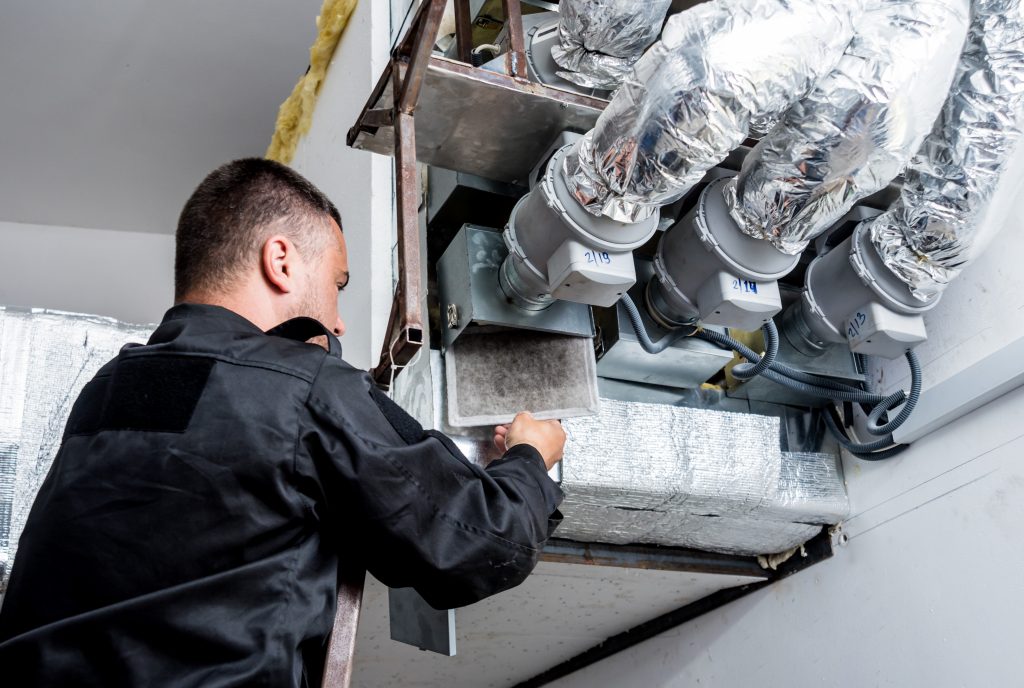
The first step of your air duct cleaning will be to inspect your system. A team of HVAC professionals will come into your home, take the time to get familiar with what you have and determine the best way to go about it.

The team will use a blower door to see how much air is leaking from your ventilation system, which helps them understand the overall efficiency of your heating and cooling system. The HVAC professionals will also look for signs of mould or water damage inside the ducts.

Create Negative Pressure

Before the team gets to work, they'll use a unique tool that creates negative pressure. It will help the HVAC professionals vacuum any dust and debris accumulated in your system over time. While the process goes on, you need to stay out of your home, so there's enough space inside to get the job done appropriately.

Agitate the Dust

A high-powered vacuum will agitate the dust inside your ducts to allow the HVAC team to suck them out more effortlessly. If there are any seams or joints in your system, you'll notice them becoming loosened as the HVAC professionals work around them.

After that, the technicians will replace all your air filters and ensure that everything is working correctly. You'll also receive a report indicating the amount of dirt removed from your system during the cleaning process.

Clean the Rest of The HVAC System

In most cases, your team will also clean up other parts of your heating and cooling system. It includes any coils or dampers that have become dirty over the years to operate as effectively as possible.

After completing the cleaning process, you'll notice an immediate improvement in the indoor air quality throughout your home. You'll also be able to save money on your electric bills during the summer months when you need your air conditioner running at total capacity.

Is There A Way To Clean Air Ducts On Your Own?

Yes, you can do a few things on your own before calling a professional team to clean your air ducts. First, get rid of any dirty filters from your heating and cooling system and replace them with brand new ones. It will help your system to run more efficiently and increase your overall air quality.

You can also clean the vents yourself using a vacuum cleaner or by wiping down grills, registers, and diffusers with a damp cloth. While this may not be as effective as having professionals complete the job, it will help to improve your indoor air quality.

It would be best to replace any ceiling or wall registers with easy-to-clean models that can be wiped down instead of taking them apart for a thorough cleaning. By doing this, you'll reduce the amount of dirt circulating throughout your home and make sure it stays inside the ventilation system.

How Often Should Ducts Be Cleaned - Conclusion

Getting your air ducts cleaned will provide you with a whole new level of comfort in your home. Once you remove the dust and debris, you'll notice an immediate improvement in your indoor air quality along with energy savings during the summer months when you need to run your air conditioning at total capacity.

HVAC professionals can also help improve the efficiency of your heating and cooling system and clean up other parts of the ventilation system as well. It will give you an even greater return on investment and make sure everything is working at peak performance.

https://ac-repair-mississauga.ca/how-often-should-ducts-be-cleaned/

Saturday, 28 March 2020

Heating & Air Conditioning Basics

heating and cooling basicsShould you turn the Thermostat down in your Home when leaving your House for the Day?

If you are like most people you are always trying to cut costs around your home. That requires taking a good look at your utilities and examining them closely to see if there are any ways you can save money on them. Having your plumbing throughout your home tested for leaks is a great way to potentially save some money on your water bill. You may want to also take a good look at your home heating system; there might be some ways you can save some money on your bill there too. Many people think you should turn your heat down when you are leaving your home for the day to save money. Let’s take a closer look at this to see if this really works.

Turn the Heat Down not Off

First of all you need to be reminded of something very important. Many people like to take things like turning down the thermostat in their home when they leave for work one step further and turn it off completely. Don’t confuse turning the heat down with turning the heat off because turning the heat off could be a huge mistake if you are gone for a very long time and it gets really cold outside. It could cause some of the pipes in your home to freeze and burst and it may also do such things as produce an environment that is not healthy for your pets.

Is it Just a Wives Tail?

Many people wonder if turning you heat down when you are gone is just one of those fad things to do or a wives tail? Studies tend to suggest otherwise and that it really does work. After doing some research it was found that the department of Energy suggests that turning your heat down when you leave for work could save you as much as 5% – 15% on your home heating bill each year. If that is the case it would mean that doing this is certainly not a gimmick or a wives tail.

Studies also suggest that it takes much more energy to maintain your house at even a mid-range temperature setting while you are gone for 8 hours than it does to lower your heat several degrees then turn it back up. Why is this? It’s because heat naturally seeks to move toward colder areas. When your home is warmer that means your heat is going to try and get outside any way it can. So the cooler your home is the less that your heat is going to try and escape.

What is the Ideal Temperature Setting?

Experts seem to agree that there is an ideal temperature to set your thermostat at when leaving. This should be around 55 degrees. If you maintain your house at 68 degrees when home and use this setting when you are gone, you will definitely save some good money on your home heating bill.

The post Heating & Air Conditioning Basics appeared first on AC Repair Mississauga.


source https://ac-repair-mississauga.ca/heating-air-conditioning-basics/