Saturday, 25 March 2023

Do It Yourself Furnace Repair: Is It Safe?

Are you a homeowner dealing with furnace problems? Are you searching for ways to repair your heating system without calling an expert? While performing do-it-yourself furnace repairs may seem attractive, weighing the potential risks versus the rewards is essential. In this blog post, we explore all the factors involved when considering DIY furnace repair and answer some frequently asked questions about safety. Read on to find out more!

Safety First

When repairing your furnace, safety should be the number one priority. You will be dealing with electrical components, gas connections, and other dangerous apparatus that can cause injury or damage to your home. Turn off the power supply to the furnace before getting started. Turn off the gas supply, and check that there is no residual gas in the furnace. When working on your furnace, it is also essential to make sure that you have proper lighting. A poorly lit area can lead to slip-and-fall accidents, burns, and other injuries. Also, keep flammable materials away from the furnace, especially when melting or soldering.

Proper Ventilation

Proper ventilation is crucial when dealing with any heating or cooling system. You need to maintain a clean and clear pathway for air to flow. Before repairing your furnace, inspect the area and ensure proper ventilation. If you're working in a basement, ensure that windows and doors are open to allow fresh air in.

Appropriate Safety Gear

When repairing your furnace, make sure to wear appropriate safety gear. Appropriate safety gear includes gloves, goggles, and a mask. Gloves will protect your hands from burns and electrical shocks. Goggles will protect your eyes from debris, dust, or harmful chemicals. A mask will protect your lungs from toxic fumes or dust created during the repair process. It is also essential to dress appropriately when performing a DIY furnace repair. Avoid loose or baggy clothes, but wear something that allows you to move around comfortably. Dress in layers that are easy to take off, as the temperature in the repair area may fluctuate.

Assess the Problem

Before starting DIY furnace repair, it is essential to assess the problem carefully. Some furnace repair issues are easily fixable, but others require professional assistance.

Identifying the Furnace Problem

The first step in assessing your furnace repair needs is identifying the problem. Some common furnace problems include a lack of heat, strange noises, or poor performance. Each of these problems can stem from various causes, so it is essential to thoroughly inspect your furnace. Check the thermostat settings to ensure they are correct. If you hear strange noises from the furnace, it could mean that some parts have become loose and require tightening. Also, check that the air filter in the furnace is clean, as a dirty air filter can cause noise and decrease efficiency.

Determining if It Requires Professional Help

After identifying the furnace problem, the next step is determining whether it requires professional help. Furnaces are intricate systems that need a professional's help fixing problems like gas or electrical issues. If your furnace requires electrical or gas work, call a licensed professional. If you have tried a few easy fixes and the problem persists, there is likely a more significant problem that requires professional attention. Hiring a professional gives you peace of mind knowing that an expert will repair your furnace safely and accurately.

Easy DIY Fixes to Consider

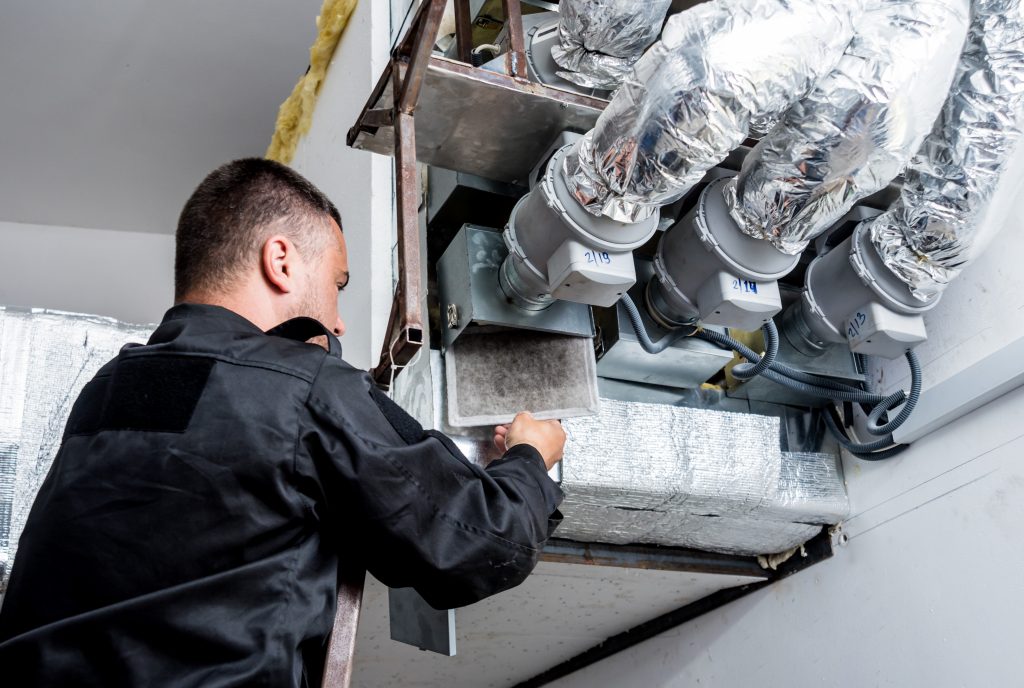
While some furnace repairs require professional assistance, there are a few easy DIY fixes that you can consider. For example, if the pilot light on your furnace goes out, you can light it yourself by following the instructions on the furnace. Another easy fix is to clean or replace the furnace air filter, which can restore the furnace's efficiency.

Know Your Limits

When considering DIY furnace repair, it's crucial to know your limits. Attempting repairs beyond your capabilities can lead to dangerous situations and costly mistakes.

Acknowledging Personal Skill Level

Before starting any DIY furnace repair, it's essential to acknowledge your skill level. While some furnace repairs are easy and can be done by anyone, others require extensive knowledge and experience. You can evaluate your skill level by taking stock of any HVAC training or apprenticeship programs you may have completed in the past. If you have no prior experience repairing a furnace, it is essential to consult your user manual or online videos before starting. Attempting repairs without prior knowledge or experience can lead to further damage to your furnace or personal injury.

The Risks of Attempting Repairs Beyond Capabilities

Attempting furnace repairs beyond your capabilities can be hazardous. It can further damage your furnace or cause safety hazards such as burns, electric shocks, or gas leaks. For instance, attempting to repair electrical components in the furnace without proper knowledge can lead to electrocution, fires, or explosion. Repairing gas piping without the proper tools and training can lead to leaks, which can cause fires, explosions, or carbon monoxide poisoning. If you're unsure you can handle a repair, calling in a professional is essential.

Benefits of calling in a Professional

While DIY repairs can be tempting, calling a professional can save you time and money and ensure the repair is done safely and accurately. Furnace repair professionals have the expertise, experience, and tools to handle all furnace repair tasks. A professional will also provide a warranty, ensuring the repair is reliable. Another benefit of hiring a professional is knowing that the repair is safe and there will be no danger to your home or any of its occupants.

Conclusion

DIY furnace repair can be an excellent solution for many homeowners who want to save on repair costs. However, it is essential to remember that safety should always come first. Before attempting furnace repair, evaluate your skill level and decide if the task is safe to complete. While some furnace repairs are easy and can be done as a DIY project, it's crucial to know when calling a professional is best. Professional furnace technicians have the training, experience, and equipment to address complex repair tasks. DIY repairs can be cost-effective if you have some basic knowledge and experience. However, it's essential to note that even small mistakes can sometimes cost more in the long run. Therefore, evaluating the task and determining the best course of action is always recommended.

https://ac-repair-mississauga.ca/do-it-yourself-furnace-repair-is-it-safe/

Friday, 24 March 2023

Smart Thermostat vs Programmable: Which is The Best Option?

When it comes to being environmentally conscious, people have various opinions on saving energy and preserving our delicate planet. However, no matter how you choose to protect Mother Earth, there is one thing that everyone can agree on: You need an effective way to control the temperature inside your home!

People who live in warm climates might not mind leaving their air conditioners at full blast all day long. Still, those who reside where temperatures are more temperate will quickly start to lose their sanity if they don't have a way to regulate the temperature in their homes.

There are many different ways to control the temperature inside your home, but most people use either a programmable or a smart thermostat. Are you trying to figure out which one is right for your home? Smart thermostat vs programmable? Let's break down the differences between each thermostat.

What is a Smart Thermostat?

A smart thermostat is a programmable thermostat but with added "smart" features. It is an upgraded version of a programmable thermostat with added features such as live weather updates, geofencing, auto-climate control, phone alerts, and even voice control.

Unlike the standard thermostats that require you to adjust the temperature inside your home manually, smart thermostats learn from the homeowner's behaviours to provide the best comfort level for each user.

They can learn where you like your temperature set, when to increase the temperature based on your location, and even provide you with weather updates before leaving the house.

What are The Benefits of Using Smart Thermostats?

There are many benefits to using smart thermostats. Let's look at some of the best ones:

Reduce Energy Costs

The best benefit of using a smart thermostat is that it can help you save money on your monthly energy bills. Smart thermostats allow you to customize your heating and cooling system to run at the most efficient level.

You can use your smart thermostat to reduce the temperature in your home when you are not at home so that it doesn't constantly run to maintain an optimal temperature.

It also allows you to monitor how long you have had the air conditioner or heater running to avoid wasting energy trying to cool down or heat a space.

Adjust your Cooling Preferences According to Schedule

Since smart thermostats learn from your daily routine and preferences, it is easy to create a schedule that allows your system to adjust according to how you live.

For example, you may set the temperature in the house at 68 degrees during the day when everyone is awake and at 70 degrees when you're sleeping.

Control Your Thermostat Remotely

Another nice feature of buying a smart thermostat is that you can control the temperature inside your home whether you are at work or on vacation.

Since most people use their smartphones for everything, it only makes sense to allow homeowners to control their heating and cooling systems with their smartphones!

Long-Term Learning

Some smart thermostats are programmed to recognize patterns and will automatically adjust the temperature inside your home. This advanced feature allows you to receive information about your heating or cooling system without constantly changing it yourself.

What is a Programmable Thermostat?

programmable-thermostat-for-hvac-system.jpg

A programmable thermostat gives you more control over the temperature in your home than just using an old mechanical model but doesn't offer all of the extra features that many smart thermostats do.

Programmable thermostats allow you to set temperatures according to time of day or location. For example, you can program the temperature inside your home to automatically increase by 2 degrees when you leave work so that it is nice and cool when you return home.

You can also adjust the temperature at night to not wake up to a freezing house in the winter or an uncomfortably hot bedroom in the summertime.

What Are The Benefits Of Using A Programmable Thermostat?

Anyone looking for a new thermostat should consider getting a programmable one because it is easy to use and provides many benefits. Here is what some homeowners find useful about using programmable models:

Provides reliable precision

You can rely on your programmable thermostat to precisely regulate the temperature in your home so that you always know what to expect.

Programmable thermostats are highly accurate and will help you save money without constantly thinking about adjusting your system.

Can be used Year-Round

The nice thing about programmable models is that they are not just for the winter months. You can use these devices all year round to not heat or cool a space!

Improved zoned temperature control

Some programmable thermostats allow you to adjust the temperature of different rooms in your home independently. It makes it easy to cool down the room you are currently occupying without overcooling other home areas.

Why Are Programmable Thermostats Less Expensive Than Smart Ones?

One of the reasons why many homeowners choose to purchase a programmable model instead of a smart one is because they cost less money.

Since smart devices collect information and learn from patterns, they need advanced technology and calibration to provide reliable results. It causes prices for these models to be slightly higher than programmable ones and saves you money in the long run!

However, there are many inexpensive options available, so don't let price concerns prevent you from buying a smart thermostat.

Programmable vs. Smart Thermostats: Which to Choose?

The choice between a programmable and a smart thermostat is a personal one. Both products have their benefits, but you should consider which type of model will improve your home's heating and cooling performance.

If you are looking for something that provides reliable precision, then go with a programmable thermostat. These devices are straightforward to use and don't require as much upkeep as innovative models do.

On the other hand, if you prefer to control the temperature from anywhere or worry about saving money on energy costs, then investing in a smart device may be a better option for you! 

Smart Thermostat vs Programmable - Conclusion

Both programmable and smart thermostats provide lots of benefits and help homeowners save money on their monthly energy bills. However, it would be best if you considered some differences between the two before making your purchase.

Smart models allow you to control your system remotely, receive notifications about heating or cooling, and automatically adjust temperatures for maximum savings. In contrast, programmable models remain less expensive but must be set manually by pressing buttons on the device itself. It all comes down to personal preferences when deciding which one is best for your home, so take some time to do your research and compare prices!

https://ac-repair-mississauga.ca/smart-thermostat-vs-programmable/

How to Clean AC Filter?

AC or Air Conditioner is a valuable appliance. It keeps you comfortable in the hot summer months so that you can work without sweating all over your body. However, an AC filter is one of those things that we often ignore. Not many people know how to clean AC filters easily.

It may lead to several problems including allergies, bad smell etc. That’s why it becomes essential for every user to know how to clean AC filter perfectly. Keep reading, and we will tell you some easy techniques to clean an air conditioner filter.

What is An Air Conditioner Filter?

An Air conditioner filter is a filter that helps in trapping contaminants while allowing clean air to pass through it. Usually, you can find two filters in an AC, one at the outdoor unit and the other inside your indoor unit.

If you have just purchased a new air conditioner, it will come with a pre-installed air filter that is usually of high quality. However, if you have had your air conditioner for a more extended period, the AC might have a worn-out air filter by now.

Why Should You Clean Your Air Filter?

Over time, as your AC runs, dust and debris accumulate on the filter mesh. It can lead to several problems, including allergies and a bad smell. Also, if this dirt gets into your air conditioner system, it will cause corrosion in your AC, which seriously affects its performance.

Moreover, you must clean the air filter at least twice a month for effective results and notice the difference during the cooling season.

It’s not just enough to keep checking whether there is any dirt on the filter or not. It would be best to take care of it by cleaning it so that it works well all year round and doesn’t create too much pressure on your pockets due to repairs and replacements.

How To Clean An Air Conditioner Filter?

You can clean the AC filter on your own or can get it cleaned from the ac service. However, there are some easy methods that you can use to clean the AC filter on your own.

Turn off your AC system

Turning off the air conditioner guarantees that you’re not letting dirty air and dust circulate through your home while you clean the filter.

Remove the filter

Some AC can have many filters, so make sure you check all vents.

Start vacuuming the filter

Firstly you should use the brush attachment on your vacuum cleaner to groom off all dust and debris. Use the hose attachment to vacuum all sides of your filter. After cleaning it using a vacuum, you can use a cloth to wipe all sides of the filter.

Wash the filter

You can wash most air filters. First of all, you should place your filter in a container filled with warm water and liquid dishwashing soap. Then let it soak for about an hour or two before rinsing the AC filter under running water. Avoid using a pressurized cleaner to clean your air conditioner filter.

Use an air compressor if the filter is filthy

If your AC filter is too dirty, then you can use an air compressor for this step. Be sure to follow the airflow direction on the filter and let it dry before returning it to its place.

Install back the filter

Once it dries completely, put the filter back in its place. You can do this with most filters using your hands only, so there is no need to use a tool.

What are The Benefits of Having Clean AC Filters?

?u=https%3A%2F%2Ficeblast.com.au%2Fwp-content%2Fuploads%2F2021%2F01%2Fcleaning-aircon-filters.jpg&f=1&nofb=1

There are some great benefits of having clean AC filters, such as:

Keep out dust and dirt

It is one of the most important benefits. A dirty AC filter will let dust, debris and dirt inside your system, which can cause severe damage. It will also affect the performance of your AC, so it’s better to clean filters regularly.

Work At optimal efficiency

A clean AC filter will let your system work at its optimal efficiency. The components in your AC are well protected because no dust or dirt can reach them to cause corrosion.

Reduce energy consumption

A clean filter saves energy as well as reduces your electricity bill. It will keep the cooling coils of your AC free from dirt and debris, which means that more airflow can go through them rather than getting trapped in dirty filters.

Improve indoor air quality

It might sound weird, but a clean filter improves the quality of air inside your home because it removes pollen and other contaminants you can’t see with naked eyes. Also, if you have pets and kids at home, this is one of the most important benefits for them as they suffer from allergies and respiratory problems easily when dust accumulates in AC filters.

Can You Get Sick With A Dirty AC Filter?

Yes, you can get sick with a dirty AC filter. It is one of the most common problems people face while having an AC installed in their homes.

Dust and dirt from filters will circulate through your home when your AC runs and can badly affect your health by promoting respiratory diseases such as asthma.

Also, it is not just your health that you should worry about, as a dirty AC filter can damage the components of your AC as well. When dirt, debris, and dust accumulates in coils, it can restrict airflow, leading to poor cooling. It will wear out the components of your AC system, which will lead to more costly repairs and replacements.

How Often Must You Clean The AC Filter?

It’s better to clean AC filters at least twice a month because it will keep debris and dust away from your system. However, you can set up a schedule for filter cleaning according to your needs. It’s always best to consult an air conditioning service company or HVAC technician as they know the exact condition of your system and the frequency of filter cleaning.

How to Clean AC Filter - Conclusion

Cleaning air conditioner filters is not that difficult. You need to invest some time in this task and keep your system well protected from dust, dirt and debris, which can cause severe damage.

Keep your filters clean to enjoy the optimum performance of your AC system. It will keep the air inside your home at its purest levels which is good for your health.

If you are looking for professional help in cleaning AC filters, try getting in touch with a local HVAC service company. They will provide you with great deals on filter cleaning.

https://ac-repair-mississauga.ca/how-to-clean-ac-filter/

What is Central Air Conditioning System?

What is central air conditioning system? A central air conditioning system is the most common cooling system among different types of cooling systems. Its components are placed at a centralized place, typically on the roof or sometimes in the basement. Usually, we use centralized AC for large-sized houses or commercial purposes.

Whether you’re looking to upgrade your current AC unit or planning to install one for the first time, it’s essential to understand things about central AC systems.

What is Central Air Conditioning?

Central air conditioning is a system in which equipment and machinery components are located at a central place. While ducts and vents distribute the conditioned air to different rooms, these systems can provide comfort throughout your entire house for cooling and heating purposes.

In addition to cooling the room, this kind of AC system also filters out dirt from the air entering your home. It is an additional feature that you can find in some AC systems.

A central air conditioning’s primary components are:

  • Refrigerant lines: This runs through your house’s heating/cooling vents to transport the refrigerant.
  • Condenser coils: As the refrigerant flows through the coils, it absorbs heat from your home. It changes refrigerant gas into a liquid form.
  • Evaporator coils: You can find these inside your central air conditioning system. The evaporator coils absorb heat from the room and emit cold air by turning liquid gas into vapour through compression.
  • Compressor: This runs by electricity or gas to supply the right amount of refrigerant needed for the system.
  • Receiver: The receiver may look like a small metallic box, and it typically rests on top of the condensing unit, which means its most common location would be on your roof. It’s a storage tank for the water and Freon.
  • Ducts: This part of the AC system captures cooled air inside the house and distributes it to different vents.
  • Thermostat: This is a device that controls the temperature inside your home.

How Does a Central Air Conditioner Work?

Central air conditioners work by the same principle as a regular AC unit. However, instead of having one system in your home or office, you have a central AC system with multiple components located at a centralized place.

Refrigerant is a chemical solution that converts liquid into a gas at low temperatures. The refrigerant circulates through the air conditioner, absorbing heat from the house and then transporting it outside continuously.

  1. The evaporator coil pumps the cold refrigerant. A fan blows air through the evaporator coil, and the refrigerant absorbs the heat from the air to cool it down. The air ducts disperse the cooled air throughout your house.
  2. Hot, low-pressure refrigerant vapour travels into the compressor, which is connected to the condenser coils. The hot vapours are further compressed into a high-pressure liquid, which changes its state from liquid to gas into a high-pressure vapour.
  3. Hot, high-pressure refrigerant vapour travels into the condenser. A fan blows on it, cooling down the gas and turning them into a low-pressure vapour. The refrigerant then changes its state from gas to liquid to a low-pressure liquid.
  4. The liquid refrigerant moves to the expansion valve, which controls the refrigerant liquid’s pressure. This liquid goes to the evaporator coils, where a fan blows it through and absorbs heat. This liquid refrigerant changes its state from low-pressure liquid to high-pressure gas, which begins the cooling cycle again.

What are The Advantages of Central Air Conditioning Systems?

?u=https%3A%2F%2Flive-core-image-service.vivialplatform.net%2Fimages%2F154655%2Forig%2Fair-conditioner-la-crosse-wi_1_cropped.7CxtH4jCY.jpg&f=1&nofb=1

Centralized AC systems offer many advantages over regular window units. There are also other benefits such as:

Better Air Quality

Central AC systems have more powerful filters that distribute clean air throughout your whole house. It means your entire family can breathe clean, fresh air every time you turn on the unit. In addition to filtering dust, pollen, and pet dander from the outside, you will also experience a cooling breeze of clean air inside your room.

Since the system has a higher capacity for cooling and heating, it circulates tremendous amounts of cool or hot air faster than regular window units.

Reduced Noise

Central AC systems are much quieter than window units, which tend to have many moving parts. Centralized AC systems have much less vibration because their motors are located outside your home, away from the system itself. Window units typically have motors that vibrate against windows during operation, which makes them noisier. You can enjoy a quiet night while the system is running.

Energy Efficiency

Central AC systems have a higher energy efficiency rate compared to regular window units. Their larger capacity for cooling and heating allows them to maintain optimum indoor temperatures without making too much noise or consuming too much power. It means you will save on utility bills when using central AC systems instead of window units.

Easier Maintenance

Large, centralized AC systems have a much easier time maintaining optimal energy efficiency and cooling or heating your home because they have a larger capacity to cool the air in your house. In addition, you will spend less time cleaning these units because you can find their motors outside your home, unlike window units which have motors inside the unit itself.

Consistent Temperatures

Central AC systems ensure that the temperature in every room of your house is at a comfortable level. In addition to providing various cooling modes, you can also adjust the temperature from each room because centralized AC systems have multiple thermostats installed throughout your home.

It means that whether you are in your living room, dining area, or bedroom, you will always be able to control the temperature and airflow your unit provides. With window units, however, there is usually only one thermostat in the system itself.

Split or Packaged: Which Central AC System is Better?

A packaged or split central air conditioning system has an outdoor compressor unit and an indoor air-handling unit for your home.

Packaged Central Air Conditioning Systems

This type of system is the most common because it requires less installation time, costs less to purchase, and may be better for smaller homes. The units are typically installed outside near where your furnace resides. It means that you do not have to run more extended ductwork into your house, saving money on installation costs.

However, since the condenser is outside your house, it can also be more difficult to service when the time comes. What’s more, if you want a wall-mounted thermostat inside instead of a handheld one, this option might not work for you.

Split System Central Air Conditioning Systems

Split systems are more expensive to purchase initially, but they provide a more quiet and even airflow throughout your home. Installers place the unit’s compressor outside your home while the air handler is inside. The benefit of this system is that you will not have a condenser running out in your yard near where you will be grilling and having fun with family and friends on those hot days.

In addition, it may reduce noise from regular window units because the compressor is outside the house. Also, you can control the temperature from different locations inside or outside your home since there are multiple thermostats installed in these systems, which regular window units do not have. In contrast to packaged central AC systems, however, this option might be more difficult to service when the time comes.

What is Central Air Conditioning System - Conclusion

Central AC systems tend to be the best option for homeowners because of their larger cooling capacity, more accessible maintenance characteristics, and consistent temperatures throughout your home. However, it would be best to consider the initial cost of installation and potential repairs or service visits in the future when deciding which type to purchase.

https://ac-repair-mississauga.ca/what-is-central-air-conditioning-system/

Thursday, 23 March 2023

When Is It Time For An Air Conditioner Replacement?

Your air conditioner is a machine that takes hot air and cools it down. It's also the machine that provides you with fresh, clean air in your home or office by removing stale and polluted air and replacing it with crisp and clean ones.

When this machine starts to break down, it can become more expensive than ever to replace – but there are steps you can take to prevent that from happening! Here we'll look at how you may know when is the best time to get an air conditioner replacement and what your options may be.

AC Unit is Blowing Warm Air

Blowing warm air is usually a sign that something's gone wrong with your AC unit. Your air conditioner may be blowing warm air rather than dispersing cool air. There are many possible causes such as:

  • Incorrectly set thermostat
  • Low refrigerant levels in your unit might indicate that it is not working correctly.
  • Your Outdoor Unit Lost Power
  • Your Evaporator Coils are Dirty

Another sign would be if the AC unit is blowing out cool air, but you can't feel it. It typically means that there's a problem with your thermostat, and it's not wired correctly. If this happens, then call a professional to help you fix the issue ASAP!

Extremely Loud Noises From Outside Unit

If you're hearing loud noises coming from outside of your home or office, and it sounds like your AC unit is trying to turn on, then the chances are high that something's wrong with the compressor in your machine. The compressor makes the fan spin around really fast, so if you hear banging and rattling noises when turning on the AC, there might be something wrong with it.

The Air Flow is Not That Satisfying

It is another sign that you need to replace your air conditioner. If you're not getting too great of airflow, but you know that it's turned on and receiving electricity, then there might be something wrong with the internal system inside your machine, or there might be a clog in one of the hoses.

Air conditioners all have a condensing device that is usually found outside or inside a mechanical system. The air conditioner's ability to cool down and function properly is affected by the accumulation of leaves and other debris. This negligence can also affect the performance of systems in the mechanical room, as equipment stored in the storage area can cause problems.

Excessive equipment and debris can cause the system to heat up, leading to a reduced airflow supply.

AC Thermostat is Not Functioning

If you turn on the AC but can't seem to get it to blow cold air, be sure to check the thermostat first. Turn it up all the way and see if your machine responds. Sometimes, faulty wiring might cause this problem. If that doesn't help, then try replacing the batteries in your AC's thermostat.

Also, if your thermostat does not respond to the controls, it may be due to a low battery. The remote control buttons may also require repairs because of corrosion or damage from moisture and spills. If your AC is not cooling down after you make necessary troubleshooting, then replace the thermostat immediately!

You Can Hear Rattling and Clanging

Rattling and clanging noises coming from your AC unit typically means there's a problem with the fan blades. Now, these things tend to last for years before they start to break down, but if you start noticing rattling and clanging when you turn on your AC, then the chances are high that something's wrong with them.

Strange Odors When AC Turned On

If you notice strange odours when turning on your AC unit, this could be a sign of an issue with the coils in the machine. If these are damaged, then they will expel ammonia into the air. It typically means there's something wrong with your freon levels inside of the system.

A foul smell coming from your AC unit may also mean that something has gone wrong with any of the filters or gaskets in your machine. It is essential to call a professional immediately if you start noticing any weird smells when turning on your AC unit!

Problems with the AC Are Occurring More Often

?u=https%3A%2F%2Fwww.neighborhoodheatingandair.com%2Fwp-content%2Fuploads%2F2020%2F07%2FAir-Conditioner-Repair-1280x842.jpg&f=1&nofb=1

Typically the life of an AC is between 10 to 15 years. If you find that your unit is breaking down more often than it used to, this may mean that something's wrong with it, and it might need to be replaced by a new one.

Of course, the older your AC unit gets, the more likely it is that you're going to have issues with it. Things break down over time, and if you have a 15-year-old AC unit right now, the chances are high that it's probably got some wear and tear on it and perhaps even some damage.

AC Unit Keeps Getting Clogged Up

If you're constantly unclogging the vents in your home or office due to heavy dust buildup, then there's a chance your AC unit needs a replacement. Now, this typically occurs when the AC units are older and have been in use for some time, but sometimes clogs can happen because of problems with installation or if someone makes a mistake when trying to install the machine.

Lots of Moisture and Leakage Around The Unit

If you notice that there's lots of moisture or leakage around the unit, your unit is probably pretty old. It typically occurs because of rust building up around the tubing. Not only does this look bad for your home or office, but it could potentially cause further damage to the rest of the internal components in your AC system.

Leaks are common in older units, and sometimes they're easy to see right away when oil seeps out from the machine. However, leaks can also occur internally due to constant use, breaking down internal parts within your air conditioner.

High Electricity Bill

If you notice that your electricity bill is getting relatively high, and it's more than you remember paying last month, for example, then there's a chance that something's wrong with your AC. Perhaps the unit is broken and isn't cooling as effectively as it used to.

Of course, if you're running an AC 24/7 in your house or office, it's going to be more expensive than usual. However, if you're noticing that your bill is getting higher and higher each month for no reason at all, then there's a chance that there might be something wrong with the machine.

Air Conditioner Replacement - Conclusion

So if you're noticing any of the issues we've mentioned, then there's a good chance that you need an air conditioner replacement. If this is the case, then it's probably best to call a professional to come out and inspect your system for potential problems or check for any damage to the internal parts of your machine.

Also, make sure that you hire someone who knows what they're doing. You don't want someone coming out who doesn't know how an air conditioner works!

https://ac-repair-mississauga.ca/air-conditioner-replacement/

How Often Should Ducts Be Cleaned?

Many people think duct cleaning is unnecessary. As a result, not enough homeowners are having this vital service performed. Some people might feel that they only need to clean their air ducts when they change their furnace filter.

However, if you consider that most of us are breathing in dust and dirt every day, it's easy to understand why dirty air ducts can be a real problem. In fact, according to the U.S. Environmental Protection Agency (EPA), "duct cleaning could be the most important thing you can do for your home."

To keep your ducts clean and working correctly, they recommend cleaning them every three to five years for optimal air quality. Let's deep dive into learning more about how often should ducts be cleaned.

What Are The Signs You Need Air Duct Cleaning?

Many signs will tell you when it's time to have your ducts cleaned. Some of those signs include:

Infestation

If you find cockroaches, rodents, or other pests in your home, it may mean the air ducts are dirty. If this is happening, you need to contact a professional team right away.

Health Issues

Everyone knows that indoor air quality is much worse than outdoor air quality. When dust and debris become trapped in your ventilation system, your air becomes dusty and dirty. Respiratory issues, sinus infections, allergies, or asthma are indications that you need to clean your air ducts. 

Mould Build-up

If you have excessive mould in your home, it's time to call for a duct cleaning. Heavy amounts of dust will increase the chance of moisture build-up on your air conditioning coils. If this happens, you could be looking at some severe damage, so quickly get on top of the problem!

Uneven Heating And Cooling

Do some rooms in your home tend to feel colder or warmer than the rest of the house? If so, your air ducts may get clogged with dust and debris. It could be a sign that you need to clean your ducts.

What Happens If You Don't Clean Your Ducts?

When your air ducts are left dirty, the contaminants will continue to circulate throughout your home. It can cause serious health problems and make you uncomfortable as well. In addition, it will reduce the effectiveness of your heating and cooling system as it's working extra hard to keep up with poor ventilation.

The EPA states that dirty air ducts can reduce your heating or cooling system's efficiency by 5% to 30%. During the summer months, this means you could be spending more money on electric bills.

You'll also need professional duct cleaning if you're planning on putting your home up for sale soon. The EPA says that potential buyers are twice as likely to make an offer on a clean house.

What Does Air Duct Cleaning Involve?

shutterstock_1487317766-1024x688.jpg

If you're interested in learning more about what it takes to clean air ducts, you should know two different processes to complete the job.

Examine the Ducts

The first step of your air duct cleaning will be to inspect your system. A team of HVAC professionals will come into your home, take the time to get familiar with what you have and determine the best way to go about it.

The team will use a blower door to see how much air is leaking from your ventilation system, which helps them understand the overall efficiency of your heating and cooling system. The HVAC professionals will also look for signs of mould or water damage inside the ducts.

Create Negative Pressure

Before the team gets to work, they'll use a unique tool that creates negative pressure. It will help the HVAC professionals vacuum any dust and debris accumulated in your system over time. While the process goes on, you need to stay out of your home, so there's enough space inside to get the job done appropriately.

Agitate the Dust

A high-powered vacuum will agitate the dust inside your ducts to allow the HVAC team to suck them out more effortlessly. If there are any seams or joints in your system, you'll notice them becoming loosened as the HVAC professionals work around them.

After that, the technicians will replace all your air filters and ensure that everything is working correctly. You'll also receive a report indicating the amount of dirt removed from your system during the cleaning process.

Clean the Rest of The HVAC System

In most cases, your team will also clean up other parts of your heating and cooling system. It includes any coils or dampers that have become dirty over the years to operate as effectively as possible.

After completing the cleaning process, you'll notice an immediate improvement in the indoor air quality throughout your home. You'll also be able to save money on your electric bills during the summer months when you need your air conditioner running at total capacity.

Is There A Way To Clean Air Ducts On Your Own?

Yes, you can do a few things on your own before calling a professional team to clean your air ducts. First, get rid of any dirty filters from your heating and cooling system and replace them with brand new ones. It will help your system to run more efficiently and increase your overall air quality.

You can also clean the vents yourself using a vacuum cleaner or by wiping down grills, registers, and diffusers with a damp cloth. While this may not be as effective as having professionals complete the job, it will help to improve your indoor air quality.

It would be best to replace any ceiling or wall registers with easy-to-clean models that can be wiped down instead of taking them apart for a thorough cleaning. By doing this, you'll reduce the amount of dirt circulating throughout your home and make sure it stays inside the ventilation system.

How Often Should Ducts Be Cleaned - Conclusion

Getting your air ducts cleaned will provide you with a whole new level of comfort in your home. Once you remove the dust and debris, you'll notice an immediate improvement in your indoor air quality along with energy savings during the summer months when you need to run your air conditioning at total capacity.

HVAC professionals can also help improve the efficiency of your heating and cooling system and clean up other parts of the ventilation system as well. It will give you an even greater return on investment and make sure everything is working at peak performance.

https://ac-repair-mississauga.ca/how-often-should-ducts-be-cleaned/

Saturday, 28 March 2020

Heating & Air Conditioning Basics

heating and cooling basicsShould you turn the Thermostat down in your Home when leaving your House for the Day?

If you are like most people you are always trying to cut costs around your home. That requires taking a good look at your utilities and examining them closely to see if there are any ways you can save money on them. Having your plumbing throughout your home tested for leaks is a great way to potentially save some money on your water bill. You may want to also take a good look at your home heating system; there might be some ways you can save some money on your bill there too. Many people think you should turn your heat down when you are leaving your home for the day to save money. Let’s take a closer look at this to see if this really works.

Turn the Heat Down not Off

First of all you need to be reminded of something very important. Many people like to take things like turning down the thermostat in their home when they leave for work one step further and turn it off completely. Don’t confuse turning the heat down with turning the heat off because turning the heat off could be a huge mistake if you are gone for a very long time and it gets really cold outside. It could cause some of the pipes in your home to freeze and burst and it may also do such things as produce an environment that is not healthy for your pets.

Is it Just a Wives Tail?

Many people wonder if turning you heat down when you are gone is just one of those fad things to do or a wives tail? Studies tend to suggest otherwise and that it really does work. After doing some research it was found that the department of Energy suggests that turning your heat down when you leave for work could save you as much as 5% – 15% on your home heating bill each year. If that is the case it would mean that doing this is certainly not a gimmick or a wives tail.

Studies also suggest that it takes much more energy to maintain your house at even a mid-range temperature setting while you are gone for 8 hours than it does to lower your heat several degrees then turn it back up. Why is this? It’s because heat naturally seeks to move toward colder areas. When your home is warmer that means your heat is going to try and get outside any way it can. So the cooler your home is the less that your heat is going to try and escape.

What is the Ideal Temperature Setting?

Experts seem to agree that there is an ideal temperature to set your thermostat at when leaving. This should be around 55 degrees. If you maintain your house at 68 degrees when home and use this setting when you are gone, you will definitely save some good money on your home heating bill.

The post Heating & Air Conditioning Basics appeared first on AC Repair Mississauga.


source https://ac-repair-mississauga.ca/heating-air-conditioning-basics/